What is the Lifelong Learning Entitlement?
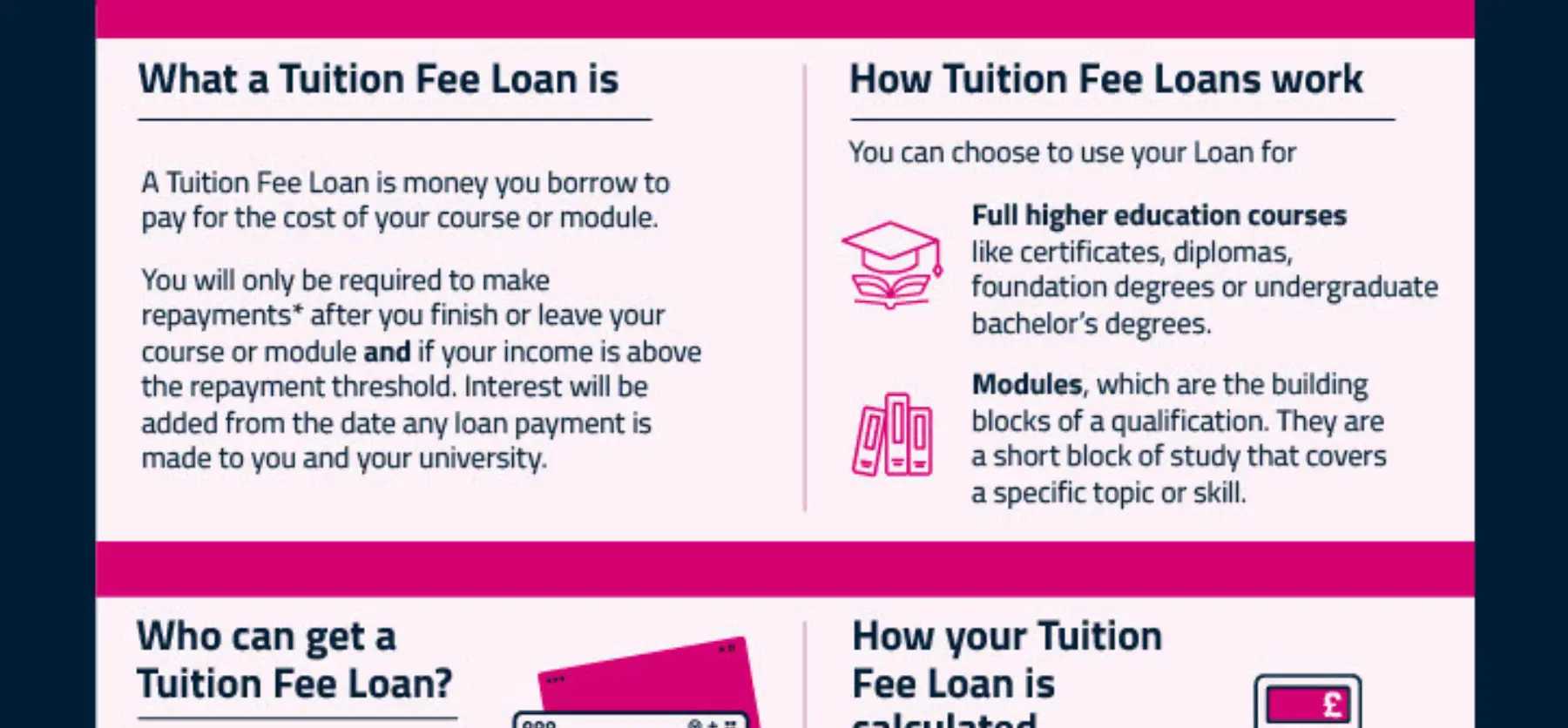
The Lifelong Learning Entitlement is a new student finance system for people in England. It gives eligible learners access to funding that can be used across their career to study higher-level courses and qualifications.
Instead of education being something you do once after school or college, the LLE allows you to return to learning when it suits you.
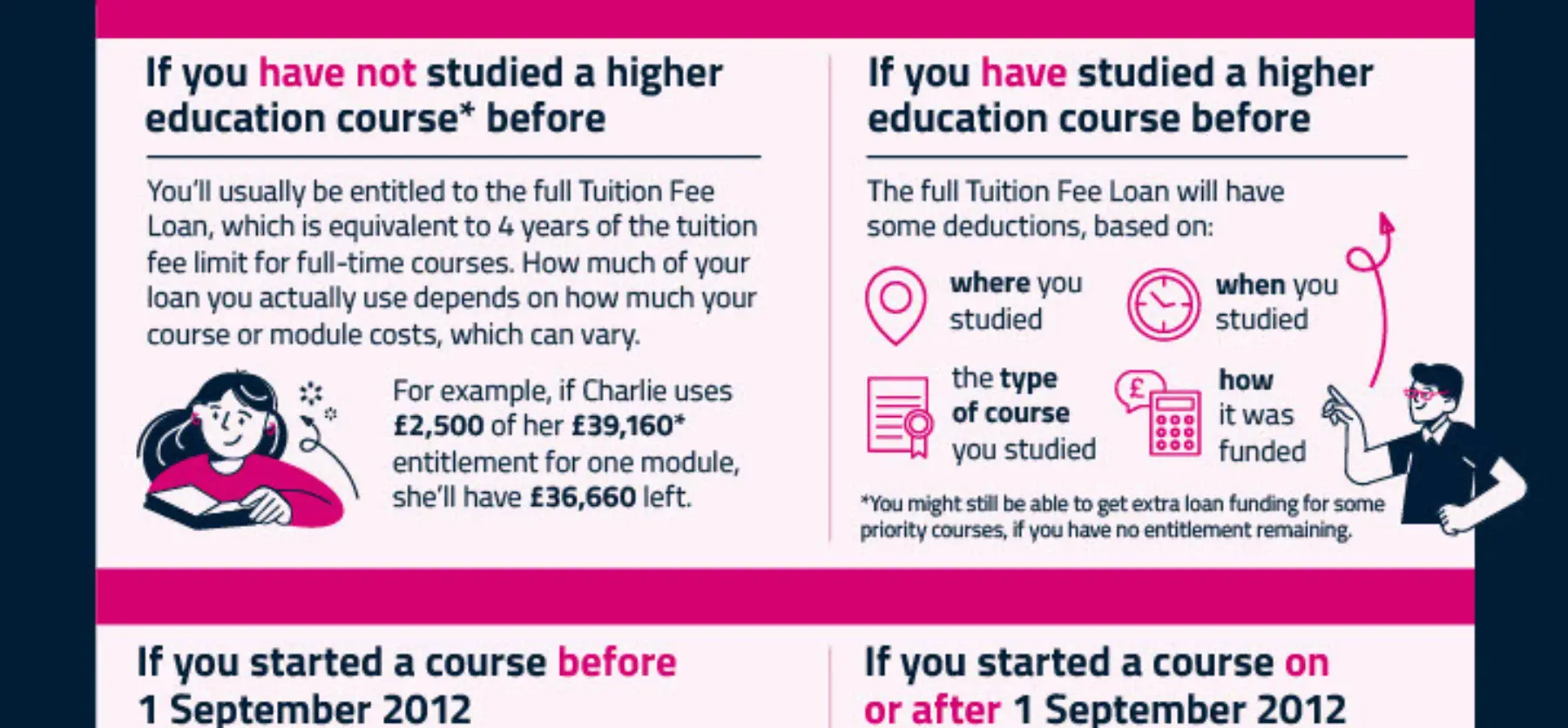
Under the scheme, eligible learners can access funding worth up to £39,160, equivalent to approximately four years of post-18 study at current tuition fee rates.
The LLE is being introduced for courses and modules starting from January 2027. Applications opened during 2026.
Why is it important?
Until now, many adults have found it difficult to return to education because courses often required a significant commitment of time and money.
The LLE is designed to change that by:
• Giving adults more flexibility over when and how they study.
• Supporting career progression and retraining.
• Helping people develop skills that employers need.
• Making higher-level education accessible throughout working life.
• Allowing learners to study in smaller chunks rather than committing to a full qualification immediately.
For many people, it could be the difference between putting learning on hold and taking the next step towards a new career.
How does it work?
The LLE works like a personal learning allowance.
You can use your entitlement to fund:
- Full qualifications at Levels 4, 5 and 6.
- Higher Technical Qualifications (HTQs).
- Degree-level study.
- Approved modular courses.
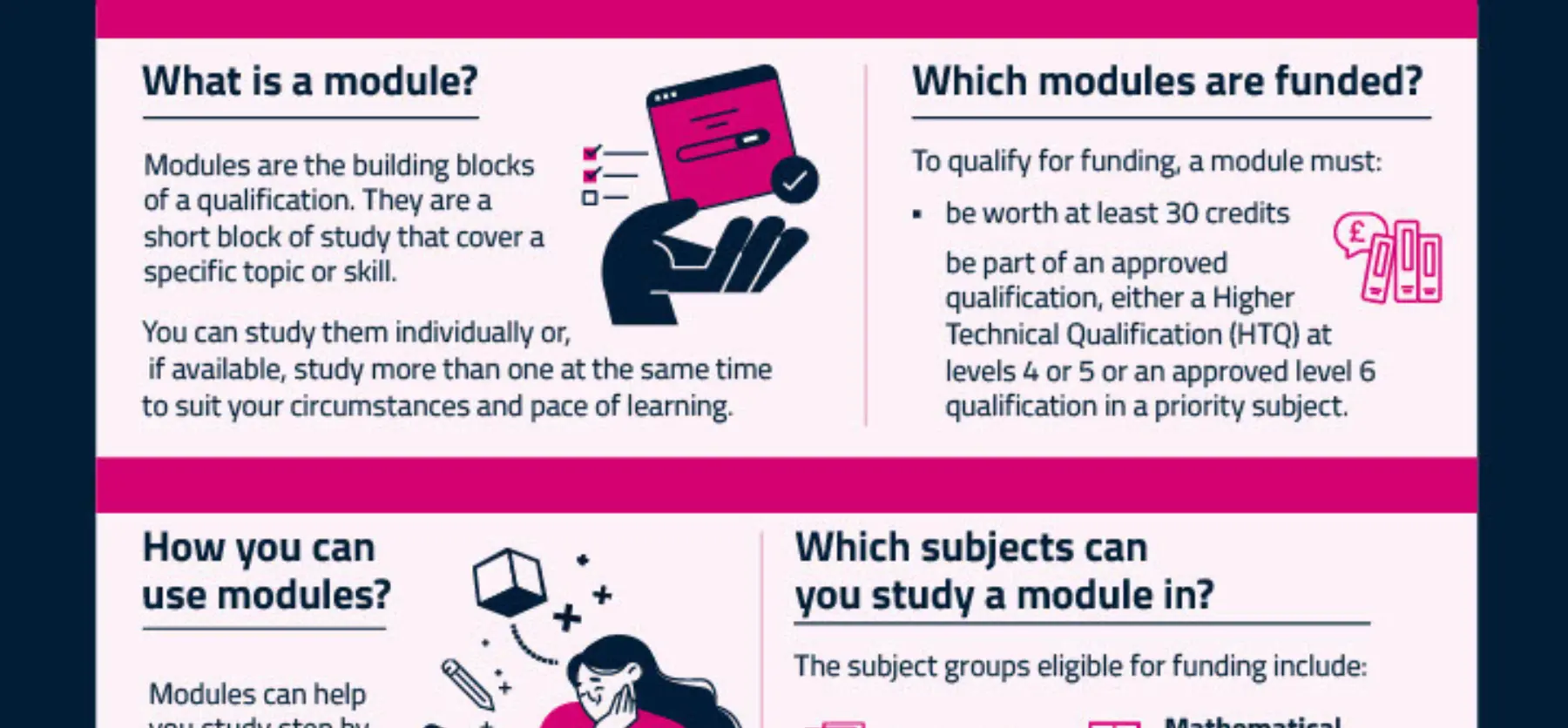
A major change is the introduction of modular learning.
Rather than enrolling on a full degree, you may be able to study a single module, gain valuable skills, and then return later to complete more modules when the time is right.
What are modular courses?
Think of modular courses as smaller building blocks of a qualification.
For example, instead of studying an entire qualification in engineering, digital technology or health subjects, you could complete one module at a time and build up credits towards a larger qualification.
This makes learning much more manageable for:
- Working professionals.
- Parents and carers.
- Career changers.
- Adults returning to education after a break.
Who can use the LLE?
The LLE is available to eligible learners in England, including:
- New learners entering higher-level education.
- Adults returning to study.
- People looking to upskill.
- Individuals wanting to retrain for a different career.
Tuition fee loans are generally available to learners up to the age of 60 when they start their course. Existing study funded through previous student finance may affect how much entitlement remains available.
Can I use it if I already have a degree?
Possibly.
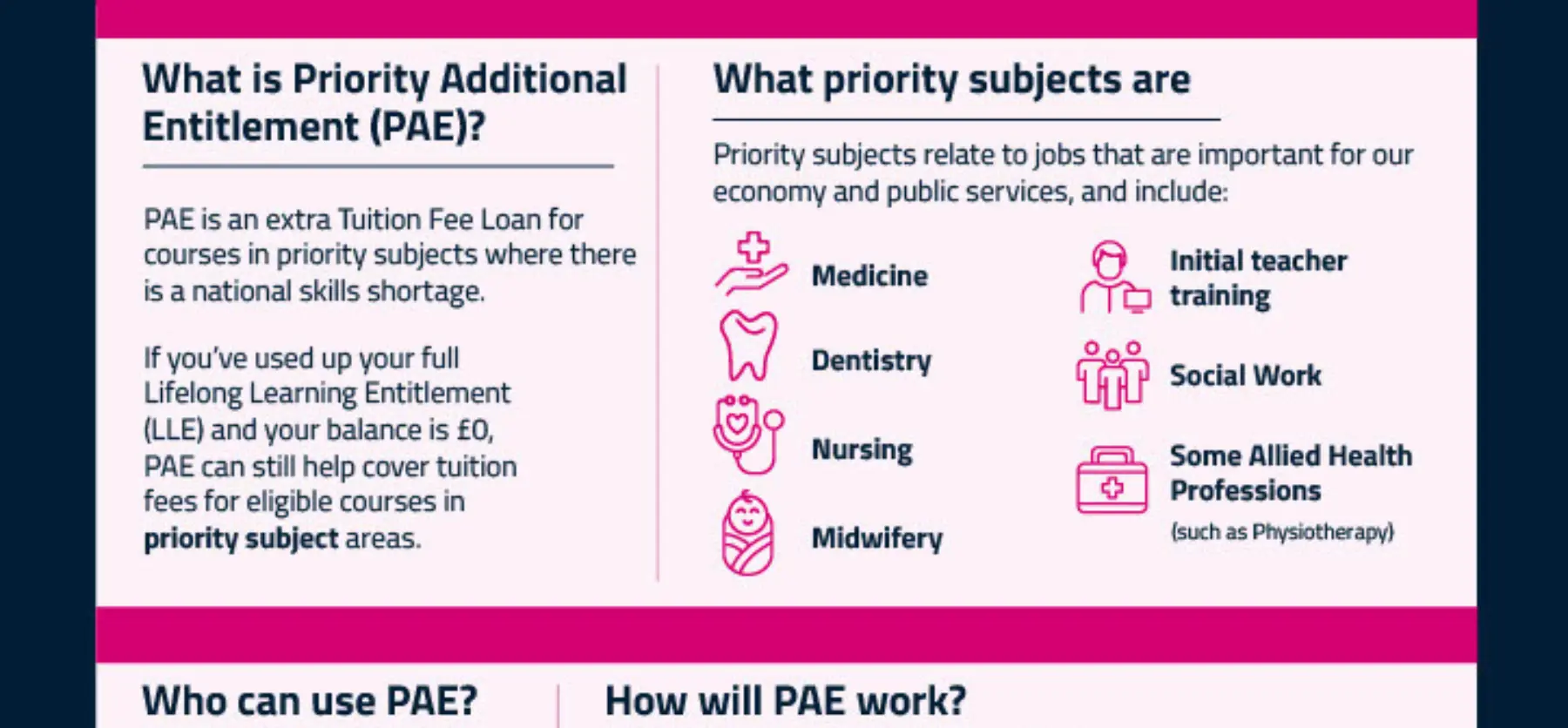
One of the most significant changes is that the LLE offers greater flexibility for people who want to retrain. In some circumstances, learners who already hold qualifications may still be able to access funding through the scheme, particularly where entitlement remains available or where study supports priority skills areas.
What financial support is available?
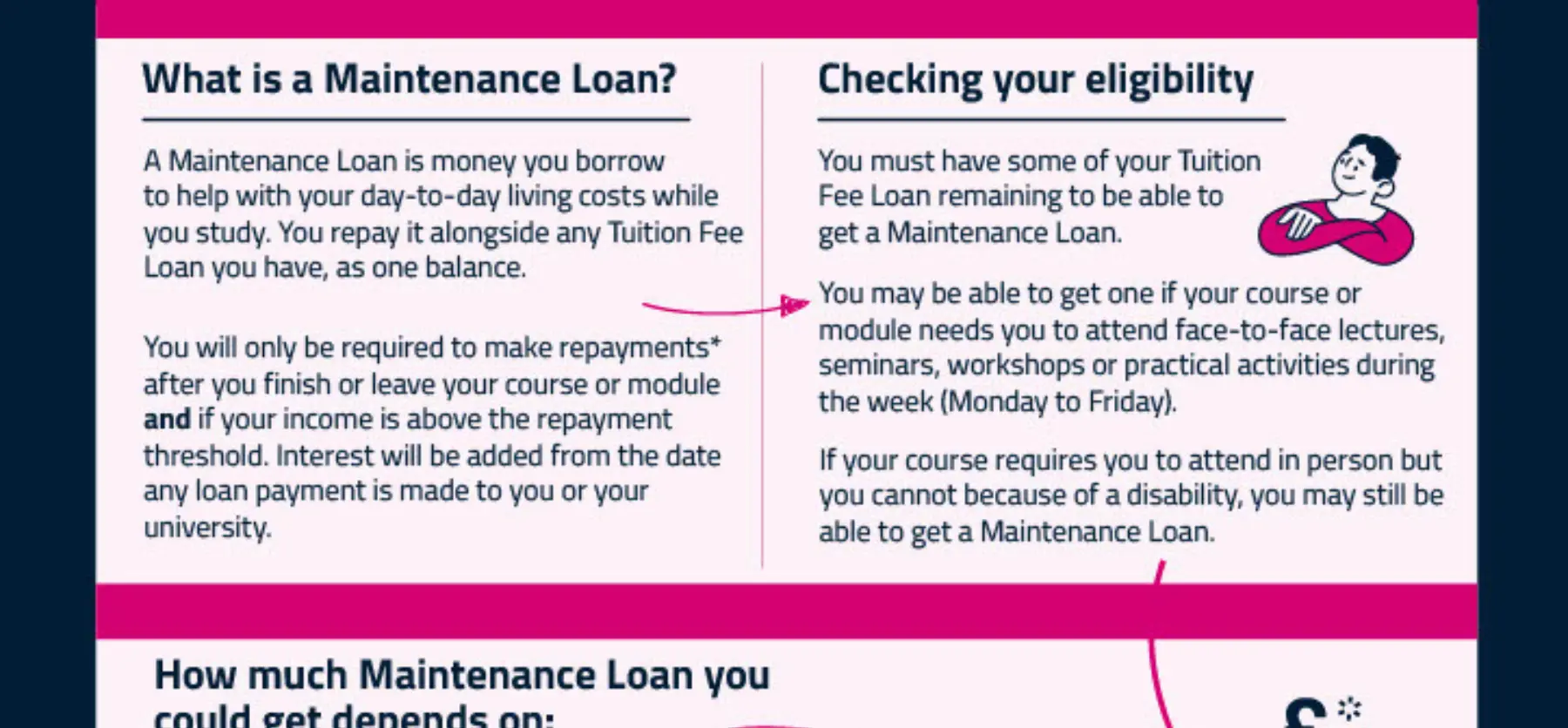
The LLE includes more than just tuition fee funding.
Eligible learners may be able to access:
- Tuition fee loans.
- Maintenance loans for living costs.
- Support for learners with disabilities.
- Childcare support.
- Travel grants in certain circumstances.
As with existing student finance, any loans are repaid according to student loan repayment rules once earnings reach the relevant threshold.
What subjects can I study?
The first wave of modular courses focuses on areas where employers need more skilled workers, including:
- Computing and digital.
- Engineering.
- Architecture.
- Health and social care.
- Economics.
More subjects and opportunities are expected to become available as the programme develops.
How do I apply?
Applications are made through the student finance system, similar to current higher education funding applications. Learners can apply for funding for eligible courses and modules offered by approved colleges and universities.
Before applying, it's worth checking:
- Whether your chosen course is LLE-funded.
- How much entitlement you have available.
- Whether you qualify for additional support.
- The study options offered by your chosen college or university.
What does this mean for you?
- If you're a school leaver, the LLE gives you more choice about how and when you study.
- If you're already working, it creates new opportunities to gain qualifications without leaving your job.
- If you're considering a career change, it provides a flexible route into new industries and professions.
Most importantly, the Lifelong Learning Entitlement recognises that learning doesn't stop at 18, 21 or even 40. It gives people the opportunity to develop new skills, improve career prospects and access higher-level education whenever they need it.
Looking ahead
The introduction of the Lifelong Learning Entitlement marks one of the biggest changes to post-18 education funding in England for a generation. By giving learners the flexibility to access education throughout their lives, it aims to help people stay competitive in a rapidly changing job market while supporting the skills needs of employers and the wider economy.
For anyone considering their next step, whether that's upskilling, retraining or progressing to a higher qualification, the LLE could open the door to opportunities that previously felt out of reach.
Your essential guides to Lifelong Learning Entitlement